
Sub vs Dub Anime: Ultimate 2026 Guide for New Fans
The eternal anime debate gets a 2026 update! With Netflix showing 80-90% of viewers prefer dubs and simuldub technology closing release gaps, we break down which viewing style is best for new fans entering the anime world.
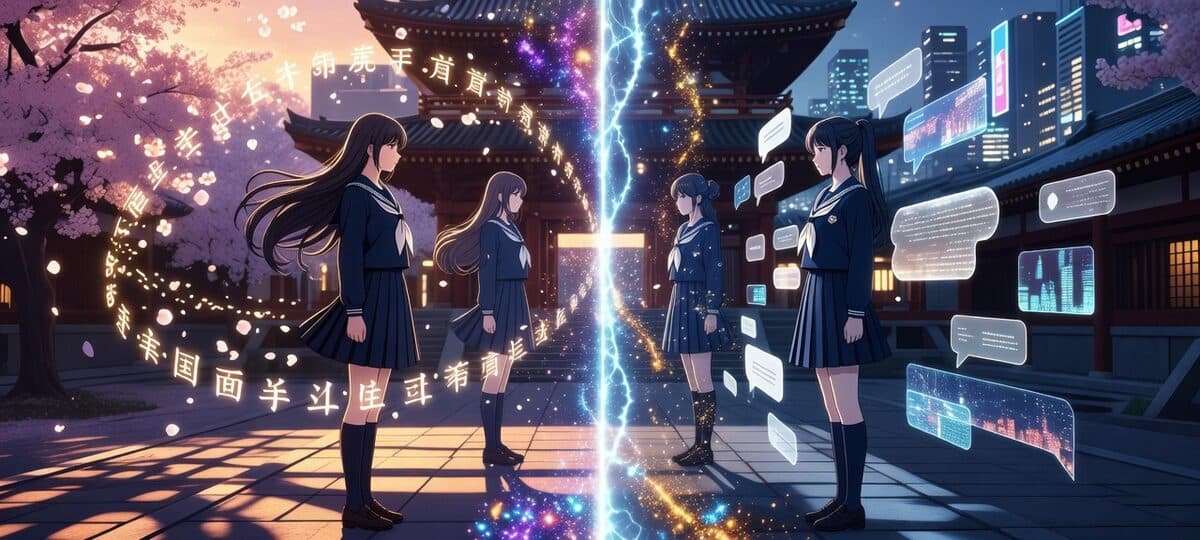
The great sub vs dub anime debate has been raging since the early days of anime fandom, but 2026 has brought some shocking revelations that are changing everything. Netflix's latest viewing data shows that 80-90% of their 150 million anime-watching households prefer dubbed content over subtitled versions. This isn't just casual viewers either—we're talking about dedicated fans who've helped triple anime viewership in the past five years.
But before the sub purists start throwing their manga volumes in protest, there's more to this story. Modern dubbing technology, improved voice acting talent, and real-time Japanese creator feedback have revolutionized what English anime dubs can achieve. Meanwhile, simulcast subtitles continue delivering that authentic Japanese seiyuu experience faster than ever.
So which format should new anime fans choose in 2026? The answer might surprise you.
The Sub vs Dub Anime Debate: What's Changed in 2026
Netflix Data Reveals Shocking Viewing Preferences
The numbers don't lie, and they're causing serious waves in the anime community. Netflix's internal data shows that among their 150 million anime-watching households (representing roughly 300 million viewers), a staggering 80-90% choose dubbed content when available.
This preference spans across all demographics, from casual viewers discovering Demon Slayer for the first time to seasoned otaku diving into the latest isekai offerings. The platform's 48% market share in anime streaming gives these statistics serious weight—we're not talking about a small sample size here.
What makes this even more interesting is that Netflix has been aggressively investing in high-quality dubs for their 2025-2026 anime slate. They're not just dubbing popular shonen series anymore; even niche seinen titles are getting the full English treatment with top-tier voice actors.
How Simuldub Technology is Closing the Gap
Remember when dubbed anime meant waiting months after the Japanese release? Those days are rapidly disappearing thanks to simuldub technology that's reached new heights in 2026.
Major studios now coordinate dubbing sessions to match Japanese recording timelines. This means voice actors are working with the same animation frames and director notes as their Japanese counterparts. The result? My Hero Academia Season 8's English dub released just three days after the Japanese simulcast—a gap that would have been weeks or months in previous years.
This technological leap involves real-time collaboration between Japanese creators and English dubbing teams. Directors like Kohei Horikoshi can now provide direct feedback on English voice direction, ensuring cultural nuances aren't lost in translation.
Why This Matters More Than Ever for New Fans
The anime landscape has exploded into mainstream consciousness, with weekly anime viewing becoming a habit for 33% of global consumers. New fans entering this space face an overwhelming choice: dive into the "authentic" subtitled experience or start with the more accessible dubbed versions.
Unlike veteran fans who grew up reading manga and developed fast subtitle-reading skills, newcomers often struggle to balance reading text while appreciating the incredible sakuga animation that modern studios like Wit Studio and MAPPA are producing. Missing Tanjiro's perfectly timed breathing techniques in Demon Slayer because you're reading subtitles defeats the purpose of experiencing visual storytelling at its finest.
The data suggests that starting with dubs allows new fans to fall in love with anime's storytelling and visual artistry before potentially graduating to subtitled content for deeper immersion.
Complete Sub vs Dub Comparison: Pros, Cons & When to Choose
What are the main differences between anime subs and dubs in 2026?
Subtitled anime preserves the original Japanese voice acting while adding translated text, maintaining cultural authenticity and faster release schedules. Dubbed anime replaces Japanese audio with native language voice acting, offering better accessibility and allowing viewers to focus entirely on animation without reading subtitles.
| Aspect | Subs (Japanese Audio + Subtitles) | Dubs (English Audio) |
|---|---|---|
| Authenticity | Original seiyuu performances, cultural nuances intact | Modern dubs use Japanese creator oversight for accuracy |
| Release Speed | 2-4 hours after Japanese broadcast | Days to weeks (improving with simuldub tech) |
| Accessibility | Requires reading speed, challenging for dyslexia | Better for hearing preferences, multitasking |
| Voice Acting | Original emotional delivery, Japanese cultural context | High-quality English VAs, familiar cultural references |
| Animation Focus | Split attention between text and visuals | Full focus on animation and action sequences |
Authenticity: Original Voice Acting vs Cultural Translation
The authenticity argument has long been the sub community's strongest point, and it remains valid in 2026. Japanese seiyuu like Nana Mizuki (Hinata Hyuga) and Mamoru Miyano (Light Yagami) bring decades of experience and cultural understanding to their roles that simply can't be replicated.
When you hear Goku's iconic "Kamehameha" delivered by Masako Nozawa, you're experiencing exactly what Akira Toriyama envisioned. The vocal inflections, emotional timing, and cultural context are preserved in their original form.
However, modern dubs have made significant strides in cultural translation. English voice directors now work directly with Japanese creators to ensure that character personalities translate properly. Clifford Chapin's Bakugo in My Hero Academia captures the character's explosive personality while making the dialogue natural for English-speaking audiences.
Accessibility: Reading Speed vs Hearing Preferences
This is where dubs shine brightest for new anime fans. Reading subtitles while tracking fast-paced action sequences requires a skill that takes time to develop. During Attack on Titan's intense ODM gear battles, missing crucial visual details because you're reading dialogue can significantly impact the viewing experience.
Dubs eliminate this barrier entirely. You can fully appreciate Wit Studio's incredible animation work in Attack on Titan Season 1 or Studio Bones' sakuga sequences in My Hero Academia without dividing your attention.
For viewers with dyslexia, visual processing differences, or those who prefer audio learning, dubs provide essential accessibility. The anime community has become increasingly aware that gatekeeping based on subtitle reading ability excludes potential fans who could contribute meaningfully to the fandom.
Release Speed: Simulcasts vs Simuldubs in 2026
Simulcast subtitles still maintain their speed advantage, typically appearing 2-4 hours after Japanese broadcast. Crunchyroll has perfected this process, delivering same-day subtitles for major series like Jujutsu Kaisen and Chainsaw Man.
But simuldub technology has dramatically closed this gap. Major series now receive English dubs within days rather than months. Funimation's merger with Crunchyroll has streamlined this process even further, allowing for coordinated release schedules.
The speed difference that once made subs the only choice for following seasonal anime is becoming less relevant. When Solo Leveling Season 2 dropped in early 2025, subtitle and dub fans got it within the same week — that's the new normal for big releases.
Genre Considerations: Action vs Drama Viewing
Different anime genres benefit from different viewing approaches. Fast-paced shonen action series like Dragon Ball Super or One Piece work exceptionally well dubbed because the focus should be on spectacular fight choreography rather than reading dialogue during combat.
Comedy series present interesting challenges. Gintama's rapid-fire wordplay and cultural references often work better with detailed subtitles that can include translator notes. However, series like Spy x Family translate beautifully to English dubs because the humor relies more on character interactions than linguistic jokes.
Drama and psychological series like those covered in our Evangelion ending analysis often benefit from subtitle accuracy, where every word choice matters for understanding complex themes and character motivations.
Best Anime to Test Sub vs Dub Preferences
Dub-First Recommendations for Beginners
My Hero Academia stands as the gold standard for modern anime dubbing. Justin Briner's Deku captures the character's earnest determination while Christopher Sabat's All Might delivers those iconic "PLUS ULTRA!" moments with perfect English timing.
The series' school setting and superhero themes translate naturally to English, making it an ideal starting point. Episodes like the All Might vs All For One fight in Season 3 showcase how excellent dubbing can enhance emotional impact rather than diminish it.
Fullmetal Alchemist: Brotherhood remains legendary in the dubbing world. Vic Mignogna's Edward Elric and Rie Kugimiya's Japanese version are both considered definitive performances. New fans can start with either version and have an exceptional experience.
Demon Slayer offers another excellent entry point. The English dub cast, led by Zach Aguilar as Tanjiro, delivers emotional performances that complement Ufotable's stunning animation. The breathing technique scenes work particularly well in English, allowing viewers to focus on the visual spectacle.
Sub-Strong Series That Showcase Original Voice Acting
Cowboy Bebop presents a unique case where both versions excel for different reasons. Koichi Yamadera's Spike Spiegel brings a distinctly Japanese cool to the character, while Steve Blum's English performance captures the noir atmosphere with gravelly perfection.
Jujutsu Kaisen showcases modern Japanese voice acting at its finest. Junya Enoki's Yuji Itadori and Mamoru Miyano's Ryomen Sukuna deliver performances that capture the series' perfect balance of humor and horror. The cursed technique incantations lose some impact in translation, making the original Japanese particularly compelling.
For those interested in character analysis, our Jujutsu Kaisen power rankings dive deep into what makes these performances so effective during intense battle scenes.
One Piece represents the ultimate sub experience for many fans. Mayumi Tanaka's Luffy has defined the character for over two decades, and the emotional weight of major story arcs like Marineford or Wano hits differently in the original Japanese.
Series Where Both Options Excel
Attack on Titan offers compelling viewing experiences in both formats. The German-inspired setting actually makes the English dub feel natural, while the Japanese version preserves Wit Studio's and MAPPA's intended emotional beats.
Death Note works brilliantly in both languages for different reasons. Mamoru Miyano's Light brings manic energy that perfectly matches the character's descent into madness, while Brad Swaile's English performance emphasizes Light's calculating nature.
Dragon Ball Z has achieved legendary status in both formats. Sean Schemmel's Goku is as iconic to English-speaking fans as Masako Nozawa's original performance is to Japanese audiences. Both versions capture different aspects of Goku's personality effectively.
Where to Watch: Best Streaming Platforms for Sub vs Dub
Netflix: The Dub Powerhouse (48% Market Share)
Netflix dominates the anime streaming landscape with their aggressive dubbing strategy. Their 48% market share reflects a platform that's made anime accessibility their priority. Nearly every anime in their catalog receives high-quality English dubbing, often featuring well-known voice actors.
Their 2025-2026 anime slate includes major exclusives like Solo Leveling Season 2, all launching with simuldub releases. Netflix's investment in dubbing extends beyond popular shonen series—even niche titles like Pluto and Blue Eye Samurai receive full English treatment.
The platform's algorithm also favors dubbed content, automatically defaulting to English audio for most users. This approach has contributed significantly to anime's mainstream acceptance among casual viewers who might be intimidated by subtitled content.
Crunchyroll: Simulcast King with Growing Dub Library
Crunchyroll remains the go-to platform for subtitle enthusiasts, offering simulcast releases for over 200 seasonal anime titles. Their subtitle quality is consistently excellent, with translator notes that help explain cultural references and wordplay.
Following the Funimation merger, Crunchyroll has significantly expanded their dubbed content. Major series like Attack on Titan: Final Season and Chainsaw Man now receive both simulcast subs and simuldubs, giving viewers immediate choice.
The platform's community features, including user reviews and discussion forums, make it ideal for fans who want to engage deeply with seasonal anime. Their mobile app also offers excellent subtitle customization for different viewing preferences.
For comprehensive platform comparisons, check out our anime streaming service guide which breaks down every major service's strengths and weaknesses.
Regional Availability and Platform Strengths
HIDIVE specializes in niche and classic anime with excellent subtitle work, though their dub library remains limited. They're perfect for fans seeking lesser-known gems or complete series collections.
Hulu offers a curated anime selection with both sub and dub options, particularly strong in classic series like Naruto and One Piece. Their interface makes switching between audio options seamless.
Amazon Prime Video has been investing heavily in anime exclusives, with series like Vinland Saga receiving both subtitle and dub treatment. Their X-Ray feature provides helpful context for cultural references.
Regional availability varies significantly. European viewers often have different options than North American fans, making platform choice dependent on location and content libraries.
Community Reception: How Anime Fans Really Feel in 2026
MAL and AniList Discussion Trends
MyAnimeList and AniList discussions reveal a fascinating shift in community attitudes toward the sub vs dub anime debate. Comment sections that once featured heated arguments about "authenticity" now focus more on voice acting quality and accessibility.
Recent polls on MAL show that 65% of users have watched at least one series primarily in English dub, a significant increase from 40% in 2020. The community's growing acceptance reflects both improved dubbing quality and changing demographics as anime reaches mainstream audiences.
AniList user reviews increasingly mention specific voice actors by name, both Japanese and English. Fans are developing appreciation for voice acting as a craft rather than treating language choice as a philosophical statement.
Podcast and Social Media Sentiment Analysis
Anime podcasts like Trash Taste and The Anime Man have documented this shift extensively. Connor, Joey, and Garnt frequently discuss how modern dubs have "caught up" to Japanese originals in terms of emotional delivery and character interpretation.
Twitter sentiment analysis reveals that hashtags like #DubsHaveCaughtUp and #VoiceActingMatters trend regularly when major series release new episodes. The conversation has evolved from "subs vs dubs" to "appreciating good voice acting regardless of language."
TikTok has played a surprising role in this shift. Short clips comparing voice acting performances between languages often go viral, introducing younger fans to the idea that both formats can coexist and excel.
The 'Dubs Have Caught Up' Movement
This grassroots movement among anime fans acknowledges that modern English dubbing has reached parity with Japanese originals in many cases. Voice actors like Bryce Papenbrook (Eren Yeager), Erica Mendez (Ryuko Matoi), and Robbie Daymond (Goro Akechi) are gaining recognition for performances that rival their Japanese counterparts.
The movement emphasizes inclusivity over gatekeeping. Instead of dismissing dub fans as "casual viewers," the community increasingly recognizes that different viewing preferences can coexist within the same fandom.
Social media campaigns highlighting excellent English voice acting have gained traction. Fan-made comparison videos showcasing emotional scenes in both languages often conclude that both versions offer unique strengths rather than one being objectively superior.
Expert Recommendations: Which Should New Fans Choose?
Start with Dubs: The Accessibility Advantage
For newcomers to anime in 2026, starting with dubbed content offers the clearest path to appreciation and understanding. The ability to focus entirely on visual storytelling—especially crucial for action-heavy series—allows new fans to develop an appreciation for anime's unique artistic strengths.
Studio MAPPA's incredible animation work in Chainsaw Man or Jujutsu Kaisen deserves full attention. Missing key visual details because you're reading subtitles during Yuji's divergent fist techniques or Denji's chainsaw transformations diminishes the intended impact.
Dubbed anime also allows for better multitasking, which appeals to modern viewing habits. New fans can enjoy anime while cooking, exercising, or doing other activities, making it easier to integrate into daily routines.
The emotional accessibility factor cannot be overstated. Hearing familiar language patterns and cultural references in series like My Hero Academia or Demon Slayer helps new viewers connect with characters more immediately than parsing subtitled dialogue.
When to Graduate to Subs
Once new fans have developed genuine appreciation for anime storytelling and visual artistry, exploring subtitled content opens up additional layers of cultural understanding. This transition typically happens naturally after 10-20 series when viewers become comfortable with anime pacing and visual language.
Certain series actively reward subtitle viewing. Monogatari series

Written by WeebRai
Founder · Editor · Chief OtakuOne fan, 12+ years deep, 1,200+ series in. Every review, recap and ranking on PrimeTime Anime is written by WeebRai — checked against the actual episodes and manga, never recycled from press releases.
Share this article
Keep Reading

Test your fandom
Which Naruto Clan Do You Belong In?
Discover your Naruto clan by answering these personality questions.
Take the quiz →
Hunter x Hunter Nen Mastery Examination
Test your knowledge of Hunter x Hunter with these trivia questions about key characters and concepts.
Take the quiz →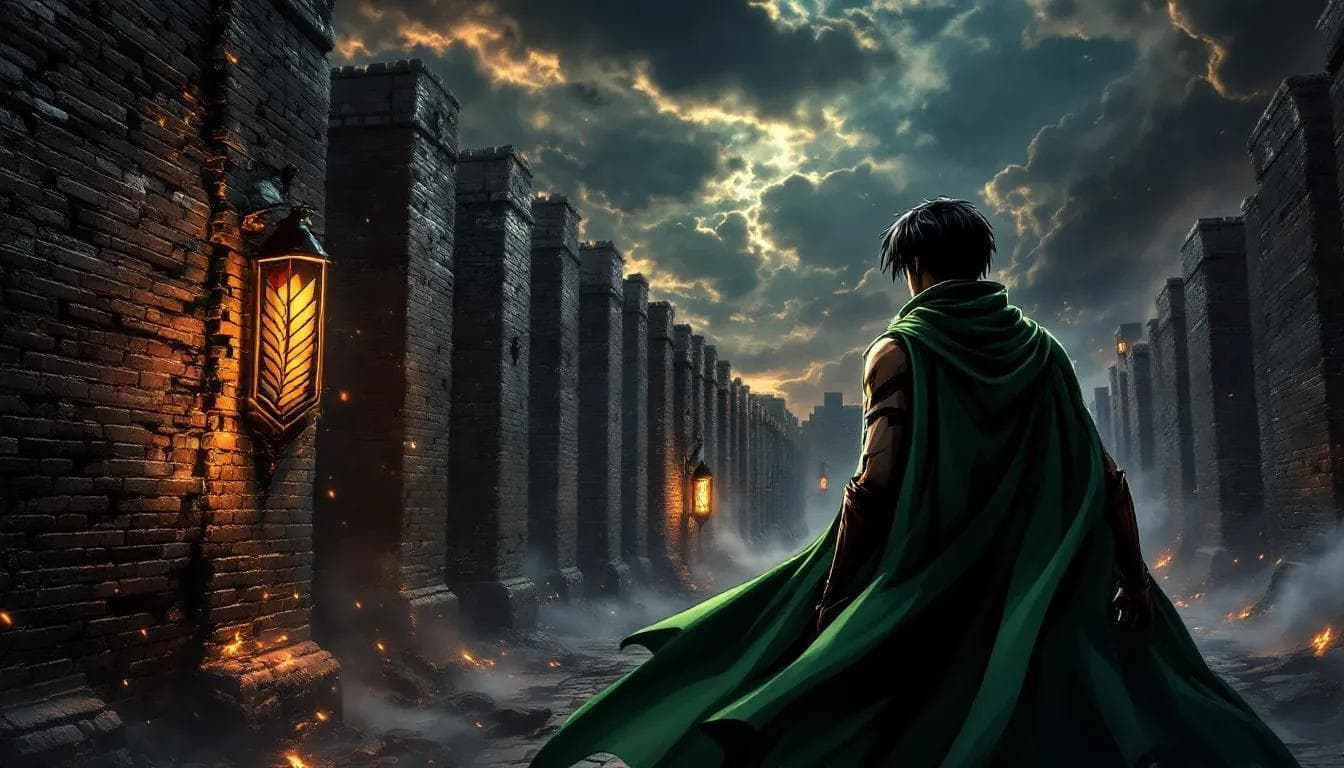
Attack on Titan Ultimate Trivia Challenge
Test your knowledge with these hard trivia questions from Attack on Titan.
Take the quiz →