
Ultimate Anime Figure Collecting Guide 2026: Best Figures & Pro Tips
From understanding scales to spotting authentic figures, this complete guide covers everything you need to build an impressive anime figure collection in 2026. Discover the best sources, avoid common mistakes, and learn pro tips from seasoned collectors.

The thrill of unboxing your first Demon Slayer Nezuko figure or watching Chainsaw Man's Makima come to life in stunning 1/7 scale detail—there's nothing quite like anime figure collecting. Whether you're captivated by the intricate sculpting of Good Smile Company's latest releases or mesmerized by the sakuga-level attention to detail in premium figures, this hobby connects us to our favorite series in a tangible way that streaming alone can't match.
This comprehensive anime figure collecting guide will transform you from a curious newcomer into a savvy collector who knows the difference between authentic figures and bootlegs, understands why scale matters, and can spot investment-worthy pieces before they skyrocket in value.
Getting Started: What Is Anime Figure Collecting?
Anime figure collecting is the hobby of acquiring, displaying, and maintaining high-quality three-dimensional representations of characters from anime, manga, and related media. It combines artistic appreciation with fandom expression, creating personal shrines to beloved series and characters.
Why Collect Anime Figures?
Figure collecting offers something unique that digital media can't provide—physical connection to your favorite characters. When you display a beautifully crafted Violet Evergarden figure on your shelf, you're not just showing off your taste; you're creating a daily reminder of the emotional journey that series took you on.
The hobby also builds community. Visit any anime convention and you'll find collectors eagerly discussing the latest Kotobukiya releases or sharing photography tips for their displays. It's a shared passion that transcends language barriers—Japanese, American, and European collectors all speak the universal language of quality craftsmanship.
Types of Anime Figures Explained
Understanding figure categories is crucial for any anime figure collecting guide. Each type serves different purposes and budgets:
Scale figures represent the premium tier, typically ranging from 1/7 to 1/12 scale with exceptional detail and paint work. These figures often cost $80-300+ but offer museum-quality craftsmanship that rivals professional sculptures.
Prize figures (also called "ichiban kuji" or lottery figures) provide affordable entry points at $20-40. While simpler in detail, modern prize figures have dramatically improved in quality, making them excellent for new collectors.
Figma and Nendoroid lines focus on posability and cuteness respectively. Figma figures feature realistic proportions with multiple joints for dynamic poses, while Nendoroids embrace chibi aesthetics with swappable face plates and accessories.
Garage kits represent the hobby's artisanal side—unpainted resin kits requiring assembly and painting skills. These limited-run pieces often become the most valuable in collections.
Setting Your Collection Goals
Before diving into purchases, define your collecting philosophy. Are you building a comprehensive shrine to one series, like collecting every One Piece figure ever made? Or do you prefer curating standout pieces from various franchises?
Consider your space limitations and budget realistically. A single 1/4 scale Rem figure can dominate a shelf, while multiple 1/10 scale figures create dynamic group displays. Our Best Anime Figures 2026: Ultimate Collector's Guide & Top 25 Picks breaks down the year's must-have releases across all categories.
Understanding Figure Scales and Sizes
Figure scale indicates the size ratio between the figure and the theoretical real-life character, with 1/7 scale meaning the figure is 1/7th the size of the character if they were real. Most anime characters are designed around 160-170cm height, making scale calculations predictable.
Popular Scale Sizes (1/4 to 1/12)
Here's how different scales translate to actual figure heights:
| Scale | Approximate Height | Best For | Price Range |
|---|---|---|---|
| 1/4 | 35-45cm | Premium centerpieces | $300-800+ |
| 1/6 | 25-30cm | Detailed displays | $150-400 |
| 1/7 | 22-26cm | Standard collection | $80-300 |
| 1/8 | 20-22cm | Balanced size/detail | $60-200 |
| 1/10 | 16-18cm | Space-efficient | $40-150 |
| 1/12 | 13-15cm | Diorama building | $30-100 |
1/7 scale dominates the market for good reason—it's large enough to showcase intricate details like Albedo's ornate dress from Overlord while fitting comfortably on standard shelves. The scale allows manufacturers to include fine details like individual hair strands and complex shading.
1/8 scale offers similar detail levels in a more compact package, perfect for collectors with limited space who still want premium quality. Many of Alter's legendary figures use this scale to maximize detail density.
Nendoroids vs Figma vs Scale Figures
Each figure type serves different collecting philosophies:
Nendoroids excel at capturing character personality through exaggerated expressions and iconic poses. The Demon Slayer Nendoroid line perfectly captures each character's distinct fighting stance and facial expressions, making them ideal for recreating memorable scenes.
Figma figures prioritize articulation and dynamic posing. The Attack on Titan Figma series lets you recreate those incredible ODM gear sequences with proper joint engineering and included effect parts.
Scale figures focus on artistic excellence and static beauty. A premium Zero Two figure captures her alluring design with museum-quality sculpting that no poseable figure can match.
Measuring Your Display Space
Before purchasing any figure, measure your display area carefully. Follow the 3cm clearance rule—allow at least 3 centimeters on all sides of a figure for proper visual breathing room and safe handling.
Consider vertical space too. Many dynamic figures extend beyond their base footprint with flowing hair, weapons, or dramatic poses. A Saber figure with Excalibur raised might need 35cm of vertical clearance despite being a 1/7 scale.
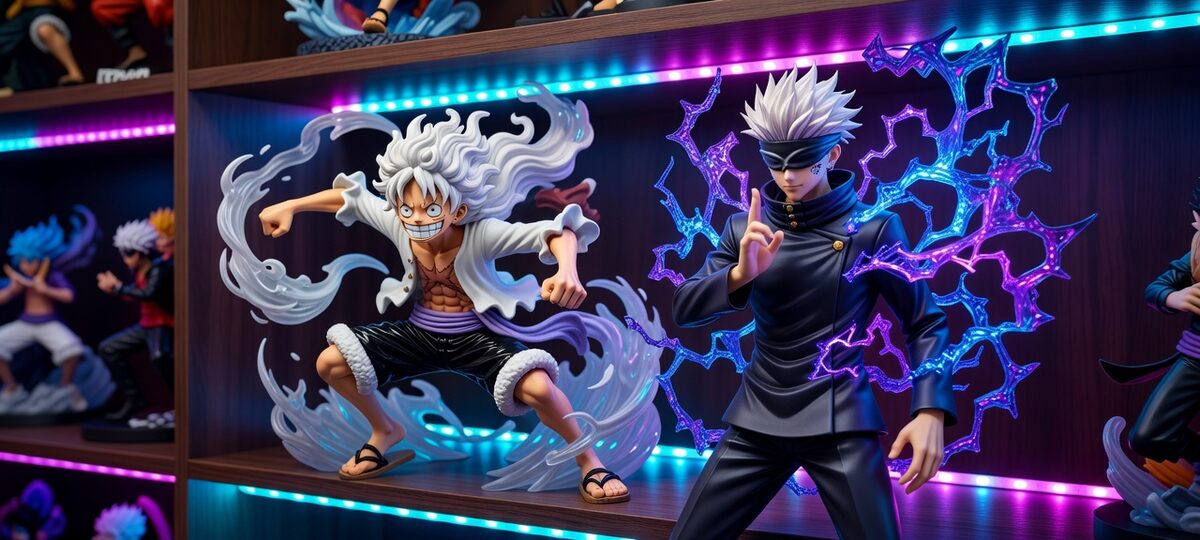
Plan for lighting as well. LED strips or spotlights require additional clearance and power access. The best displays combine proper spacing with strategic lighting to highlight sculpting details and paint work.
Materials and Quality: What Makes a Great Figure
High-quality anime figures use PVC for the body, ABS for joints and small parts, and sometimes resin for ultra-fine details, with the best figures carrying JIS K 6720-2:2026 certification for superior color retention and durability. Understanding materials helps you make informed purchasing decisions and properly care for your collection.
PVC vs ABS vs Resin Figures
PVC (Polyvinyl Chloride) forms the backbone of most quality figures. It holds fine details well, accepts paint beautifully, and remains flexible enough to resist breaking from minor impacts. Premium manufacturers like Good Smile Company and Alter use high-grade PVC that maintains its properties for decades.
ABS (Acrylonitrile Butadiene Styrene) handles joints and structural components. Its superior strength makes it ideal for Figma articulation points and weapon accessories that need to withstand repeated handling.
Resin represents the premium tier, offering the finest detail possible but requiring careful handling. Limited-edition garage kits and ultra-premium releases use resin to achieve details impossible with other materials—individual eyelashes, fabric textures, and microscopic accessories.
Quality Certifications to Look For
The JIS K 6720-2:2026 certification marks a revolution in figure quality standards. This Japanese Industrial Standard ensures 40% longer color retention compared to uncertified figures, crucial for maintaining your collection's value and appearance over time.
Look for manufacturer quality marks as well. Good Smile Company's quality seal, Kotobukiya's authenticity hologram, and MegaHouse's premium series markings indicate rigorous quality control processes.
Avoid figures lacking any quality certifications, especially those with suspiciously low prices. These often use inferior materials that yellow, crack, or lose paint within months.
Durability and UV Protection
UV damage remains the biggest threat to figure longevity. Direct sunlight fades colors unevenly, creating patchy discoloration that destroys both aesthetic appeal and resale value. Position displays away from windows or invest in UV-filtering glass for your display cases.
Heat poses another risk. Figures stored above 25°C (77°F) may develop "PVC plasticizer migration"—a chemical process that makes figures sticky and attracts dust permanently. Climate-controlled rooms maintain optimal conditions for long-term preservation.
Humidity control matters too. Maintain 40-60% relative humidity to prevent both drying (which causes cracking) and excess moisture (which promotes mold growth in packaging materials).
2026 Anime Figure Trends and Best Releases
2026's anime figure market emphasizes phygital collectibles with NFC authentication, limited convention exclusives, and display-optimized designs featuring modular poses and LED integration. These trends reflect collectors' desires for authenticity verification and premium display experiences.
Phygital Collectibles Revolution
The integration of digital ownership certificates with physical figures represents 2026's biggest innovation. NFC (Near Field Communication) chips embedded in figure bases connect to blockchain authentication systems, providing permanent ownership records and exclusive digital content.
QR codes on packaging link to manufacturer databases, allowing instant authenticity verification and access to behind-the-scenes content like sculptor interviews and production photos. This technology effectively eliminates the bootleg market for participating manufacturers.
Early adopters report higher resale values for phygital figures, as buyers gain confidence in authenticity verification. The technology also enables exclusive digital content like wallpapers, voice clips from original seiyuu, and 3D model files for personal use.
Top Characters and Series
2026's trending figures reflect both classic franchises and breakout hits:
Hatsune Miku continues dominating with innovative designs celebrating her 19th anniversary. Racing Queen versions and collaboration figures with luxury brands command premium prices.
Mashle: Magic and Muscles figures capitalize on the series' explosive popularity. Mash Burnedead's simple design translates beautifully to figure form, with manufacturers focusing on his iconic cream puff accessories and muscle definition.
Overlord maintains strong collector interest with Albedo and Shalltear figures showcasing increasingly elaborate costumes and dynamic poses. The series' detailed character designs provide endless sculpting opportunities.
Re:Zero figures, particularly Rem and Ram variants, remain investment-grade purchases. Limited wedding dress versions and seasonal costume variants consistently sell out within hours.
Limited Edition vs Regular Releases
Convention exclusives dominate the investment potential discussion in any anime figure collecting guide. Anime Expo, Comiket, and WonFes exclusives typically appreciate 200-500% in value within the first year, making them attractive to both collectors and investors.
Regular releases offer better availability but limited appreciation potential. However, figures from discontinued series or featuring popular characters can surprise with sudden value spikes when new anime seasons announce.
Anniversary editions represent a middle ground—limited production runs with special packaging and bonus accessories. These figures often include exclusive faceplates, alternate costumes, or special bases not available in regular releases.
Consider production numbers when evaluating investment potential. Figures limited to under 1,000 pieces almost always appreciate, while mass-produced releases need exceptional character popularity or series longevity to gain value.
Where to Buy Authentic Anime Figures
The safest sources for authentic anime figures include official manufacturer websites, authorized Japanese retailers like AmiAmi and HobbySearch, and trusted international distributors with verified licensing agreements. Avoiding bootlegs requires careful vendor research and understanding of official distribution channels.
Official Japanese Retailers
Good Smile Company operates the most comprehensive official store, offering exclusive colorways and early access to new releases. Their international shipping program ensures authenticity while providing manufacturer warranty coverage.
Kotobukiya specializes in high-end scale figures and original character designs. Their direct sales often include exclusive bonus accessories and premium packaging options not available through third-party retailers.
MegaHouse focuses on popular shonen series figures with exceptional attention to dynamic poses and action scenes. Their Portrait.Of.Pirates line sets the standard for One Piece figures, making them essential for fans following our Ultimate One Piece Character Guide 2026: Power Rankings & Analysis.
Aniplex+ serves as the premium distributor for Sony Music Entertainment properties, including Demon Slayer, Fate series, and Sword Art Online figures. Their limited releases often become the most valuable pieces in collections.
Trusted International Stores
Solaris Japan has earned legendary status among international collectors for reliable service and authentic products. Their pre-order system and payment plans make expensive figures accessible while guaranteeing authenticity.
AmiAmi offers competitive pricing and extensive inventory, though their lottery system for limited releases can frustrate collectors. Their monthly figure releases section helps track upcoming must-haves.
Buyee provides proxy purchasing services for Japanese-exclusive releases. While adding complexity to the buying process, they enable access to figures unavailable through international distributors.
BigBadToyStore serves North American collectors with domestic shipping and customer service. Their pre-order policies and damage protection make them ideal for expensive purchases.
Proxy Services and Import Options
Proxy services become essential for convention exclusives and Japan-only releases. Buyee, FromJapan, and WorldShopping offer different fee structures and service levels.
Calculate total costs including proxy fees, international shipping, and potential customs duties. A ¥15,000 figure might cost $200+ after all fees, changing its value proposition significantly.
Consider shipping insurance for expensive figures. International shipping damages can total loss expensive pieces, and manufacturer warranties rarely cover shipping damage from proxy services.
Plan for customs delays and fees. Most countries charge duties on imports over specific thresholds, and customs processing can add weeks to delivery times during busy seasons.
Authenticity Guide: Avoiding Bootlegs and Fakes
Authentic anime figures feature official licensing stickers, high-quality packaging with proper copyright notices, and pricing consistent with manufacturer MSRPs—bootlegs typically cost 30-70% less while showing obvious quality defects. Developing authentication skills protects both your investment and collecting experience.
Red Flags to Watch For
Suspiciously low prices represent the biggest warning sign. Authentic 1/7 scale figures rarely sell for under $80, and premium releases never appear at discount prices during their initial release window.
Poor photography in listings often hides quality issues. Authentic figure sellers use multiple high-resolution photos showing all angles, while bootleg sellers rely on stock photos or blurry images that obscure defects.
Shipping from China for Japanese figures raises immediate concerns. While some legitimate retailers operate from China, most authentic figures ship directly from Japan or authorized international distributors.
Vague seller descriptions lacking manufacturer names, official product codes, or licensing information indicate potential bootlegs. Authentic sellers proudly display official partnerships and certification details.
Verifying Licensing and Packaging
Official licensing stickers appear on all authentic figure boxes, featuring holographic elements and specific placement patterns. Bandai, Good Smile Company, and other manufacturers use unique security features difficult to replicate.
Check copyright notices carefully. Authentic figures list all relevant copyright holders including the original manga creator, animation studio, and figure manufacturer. Bootlegs often omit or incorrectly list these details.
Product codes provide definitive authentication. Every authentic figure carries a unique alphanumeric code that corresponds to manufacturer databases. Cross-reference these codes with official websites before purchasing.
Packaging quality reflects figure authenticity. Official boxes use high-grade printing with sharp colors and clear text, while bootleg packaging shows fuzzy printing, color bleeding, and poor material quality.
Price vs Quality Reality Check
Authentic figures maintain consistent pricing across authorized retailers. Significant price variations between sellers suggest either bootlegs or damaged merchandise.
Convention exclusives command premium prices reflecting their limited availability. Be skeptical of "exclusive" figures sold at regular prices months after conventions—these are likely bootlegs or regular releases misrepresented as exclusives.
Research recent sales data for expensive figures. Auction sites and collector forums provide pricing history that helps identify fair market values and unrealistic bargains.
Factor in total ownership costs including shipping, insurance, and potential customs fees. A seemingly expensive authentic figure might cost less than a cheap bootleg when factoring in replacement costs and shipping damage risks.
Budgeting and Smart Collecting Strategies
Successful figure collecting requires setting monthly budgets of $100-500 depending on income level, implementing the 30-day rule for non-exclusive purchases, and allocating 10-15% of the collection value for insurance and maintenance costs. Smart budgeting prevents impulse purchases while ensuring long-term collecting sustainability.
Setting Collection Budgets
Start by calculating your discretionary income after essential expenses. Figure collecting should never compromise financial stability or emergency savings. A good rule of thumb allocates 5-10% of discretionary income to hobby purchases.
Monthly budgeting works better than annual limits for most collectors. Set aside $100-300 monthly in a dedicated collecting fund, allowing for larger purchases through accumulated savings while maintaining spending discipline.
Consider seasonal variations in release schedules. WonFes (February and July) and major conventions concentrate new announcements and pre-orders, requiring larger budget allocations during these periods.
Plan for hidden costs including display furniture, lighting, insurance, and maintenance supplies. These expenses can add 20-30% to your total collecting budget but

Written by WeebRai
Founder · Editor · Chief OtakuOne fan, 12+ years deep, 1,200+ series in. Every review, recap and ranking on PrimeTime Anime is written by WeebRai — checked against the actual episodes and manga, never recycled from press releases.
Share this article
Keep Reading

Test your fandom
Which Naruto Clan Do You Belong In?
Discover your Naruto clan by answering these personality questions.
Take the quiz →
Hunter x Hunter Nen Mastery Examination
Test your knowledge of Hunter x Hunter with these trivia questions about key characters and concepts.
Take the quiz →
Attack on Titan Ultimate Trivia Challenge
Test your knowledge with these hard trivia questions from Attack on Titan.
Take the quiz →